Momentum Neofit

Professional, Amateur Sports Management Consulting and Fitness

Learn. Move. Thrive.
学ぶ。動く。成長する。

A New Pathway to Personal Growth.
個人の成長への新たな道。


Website Announcement / 重要なお知らせ / Aviso Importante


English: Moving Forward
Momentum Neofit has officially concluded its partnership with EFAO. We are incredibly grateful for the time spent training and developing young athletes within their program. Moving forward, we are fully returning to our roots, focusing 100% of our energy on high-quality Personal Training and Small Group Sessions. If you are looking to elevate your fitness, movement quality, or athletic performance with dedicated, individualized attention, our calendar is open. Contact us today to secure your slot!

日本語:今後のサービス体制に関するお知らせ
Momentum Neofitは、EFAOとのパートナーシップを解消いたしました。これまで共に若いアスリートたちの育成に携われたことに、心から感謝いたします。

今後は私たちの原点に立ち返り、**「パーソナルトレーニング」および「スモールグループ(少人数制)セッション」に100%のエネルギーを注いでまいります。フィットネスの向上、身体の動かし方の改善、あるいはアスリートとしてのパフォーマンスアップを目指す方一人ひとりに、より深く洗練された個別指導を提供いたします。現在、新規ご予約を受付中です。お気軽にスケジュールをお問い合わせください。

Português: Movendo em Frente
A Momentum Neofit encerrou oficialmente a sua parceria com a EFAO. Somos incrivelmente gratos pelo tempo passado treinando e desenvolvendo jovens atletas dentro do programa deles. Daqui para frente, estamos retornando totalmente às nossas raízes, focando 100% da nossa energia em Treinamento Personalizado (Personal Training) e Sessões em Pequenos Grupos. Se você procura elevar o seu condicionamento físico, qualidade de movimento ou desempenho atlético com atenção dedicada e individualizada, a nossa agenda está aberta. Entre em contato hoje mesmo para garantir a sua vaga!


New Service / 新サービス / Novo Serviço


Brincar de Bola – Movement & Psycomotor Development Program
For Schools, Kindergartens, and Nursery Institutions

Brincar de Bola is our new way of bringing children into interaction with Human Movement (Human Motricity). More than just a game, the program utilizes the ball as the ultimate tool to develop students' bodies, minds, and social behavior in both a playful and highly scientific way.

Our program is strictly built on core scientific pillars:

  • Motor Behavior: Studies how movements are learned and controlled, ensuring children build a rock-solid foundation of proper physical habits.

  • Psychomotricity: Integrates motor, cognitive and emotional functions, encompassing elements such as motor coordination (fine and gross), balance, and body schema.

  • Exercise Physiology: Analyzes the body's responses and adaptations to physical activity, promoting cardiovascular and metabolic health from an early age.

  • Biomechanics: Studies the forces and physical laws acting on the human body in motion, teaching children to move efficiently and safely.

  • Motor Development: Tracks changes in motor capacity throughout childhood, fully respecting the biological maturation of each age group.

How It Works (Total Flexibility for Your School)
Whether enriching the regular curriculum or offering a premium extracurricular activity, we come directly to you!

Regular PE Classes: We take over or complement the school's physical education curriculum with our specialized methodology.

After-School Activities: A high-quality option for parents who want their children to develop motor and social skills right after school hours.

Adaptable Schedules: We mold ourselves completely to the timeline and daily routine of your educational institution.

Brincar de Bola(ブリンカール・ジ・ボーラ)– 運動・教育・健康
〜幼稚園・保育園・学校法人向け 特別プログラム〜

「Brincar de Bola(ボールで遊ぼう)」は、子どもたちが楽しみながら人間の発育発達・運動科学(Motricidade Humana)に触れ、心身を育むための全く新しいアプローチです。単なる球技の練習にとどまらず、ボールを最大のツールとして活用し、子どもたちの体, 脳, そして社会性を科学的かつ遊びの要素を取り入れながら引き出します。

本プログラムは、以下の5つの科学的根拠(柱)に基づき構成されています:

  • 運動行動学(Comportamento Motor): 身体の動きがどのように習得され、制御されるかを研究する学問です。幼少期に正しい運動パターンの基礎をしっかりと構築します。

  • 精神運動学/サイコモトリシティ(Psicomotricidade): 運動機能、認知機能、そして感情の連動性を高めます。微細・粗大運動の協調性、バランス感覚、そして自身の身体のイメージ(身体図式)を養います。

  • 運動生理学(Fisiologia do Exercício): 身体活動に対する身体の反応と適応を分析します。幼少期からの健康的な心肺機能と代謝の基礎を作ります。

  • バイオメカニクス/生体力学(Biomecânica): 動いている人間の身体に働く力や物理法則を学びます。子どもたちが効率よく、 regionalそして怪我をしない安全な身体の動かし方を身につけます。

  • 運動発達学(Desenvolvimento Motor): 乳幼児期から児童期にかけた運動能力の変化を追います。それぞれの年齢の発育段階(生物学的成熟度)を完全に尊重したアプローチを行います。

導入プラン(学校のスケジュールに合わせて完全カスタマイズ可能)
通常のカリキュラムの充実化、あるいは魅力的な課外アクティビティとして、当施設の専門トレーナーが貴校へ直接お伺いし、指導を行います。

レギュラー体育授業(PEクラス): 専門的なメソッドを用いて、学校の通常の体育の授業を代行、またはサポートいたします。

アフタースクール/課外活動(After-School Activities): 放課後の時間を活用し、子どもたちの運動能力と社会性を高めるハイクオリティなプログラムを提供します。

柔軟な時間設定: 各教育機関のタイムスケジュールやルーティンに合わせて柔軟に対応いたします。

Brincar de Bola – Movimento, Educação e Saúde
Para Escolas, Jardins de Infância e Ensino Fundamental

Brincar de Bola é a nossa nova forma de levar as crianças à interação com a Motricidade Humana. Mais do que apenas um jogo, o programa utiliza a bola como a ferramenta principal para desenvolver o corpo, a mente e o comportamento social dos alunos de forma lúdica e científica.

Nosso programa é fundamentado em pilares científicos essenciais:

  • Comportamento Motor: Estuda como os movimentos são aprendidos e controlados, garantindo que as crianças construam uma base sólida de movimentos corretos.

  • Psicomotricidade: Integra funções motoras, cognitivas e emocionais, compreendendo elementos como coordenação motora (fina e grossa), equilíbrio e esquema corporal.

  • Fisiologia do Exercício: Analisa as respostas e adaptações do corpo à atividade física, promovendo saúde cardiovascular e metabólica desde cedo.

  • Biomecânica: Estuda as forças e as leis físicas que atuam sobre o corpo humano em movimento, ensinando as crianças a se moverem com eficiência e segurança.

  • Desenvolvimento Motor: Acompanha as mudanças na capacidade motora ao longo da infância, respeitando a maturação biológica de cada faixa etária.

Como Funciona (Flexibilidade Total para sua Escola)
Seja para enriquecer o currículo regular ou oferecer uma atividade extracurricular de prestígio, nós vamos até você!

Aulas de Educação Física Regulares (PE Classes): Assumimos ou complementamos a grade de educação física da escola com a nossa metodologia especializada.

Atividades Extracurriculares (After-School Activities): Uma opção de alta qualidade para os pais que desejam que seus filhos desenvolvam habilidades motoras e sociais logo após o horário das aulas.

Horários Adaptáveis: Nos moldamos completamente ao cronograma e à rotina da sua instituição de ensino.


No need to do it harder, do it flamboyantly.

Our Features


Lady moving toward her goal

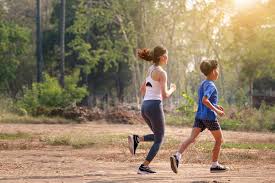
Fitness with Fun


Engaging workouts that keep you motivated and entertained!

Mom and son, keeping the pace

Language Practice


Practice English, Portuguese, or Japanese while you sweat!

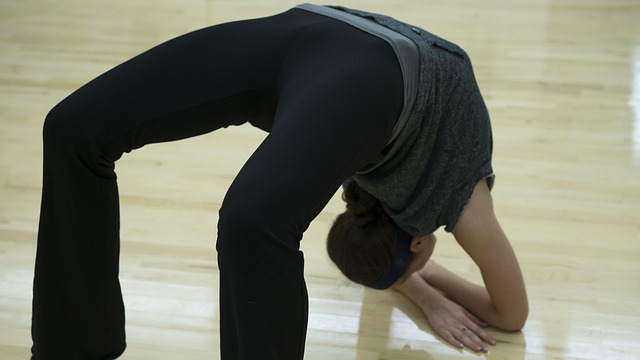
Very flexible bridge

Sessions Contents Flexibility


Sessions can be adjusted depending on your mood and health conditions!


Visual Session Variation


Squat at home


Home Training


Busy day ahead? Get fit without leaving your cozy couch!

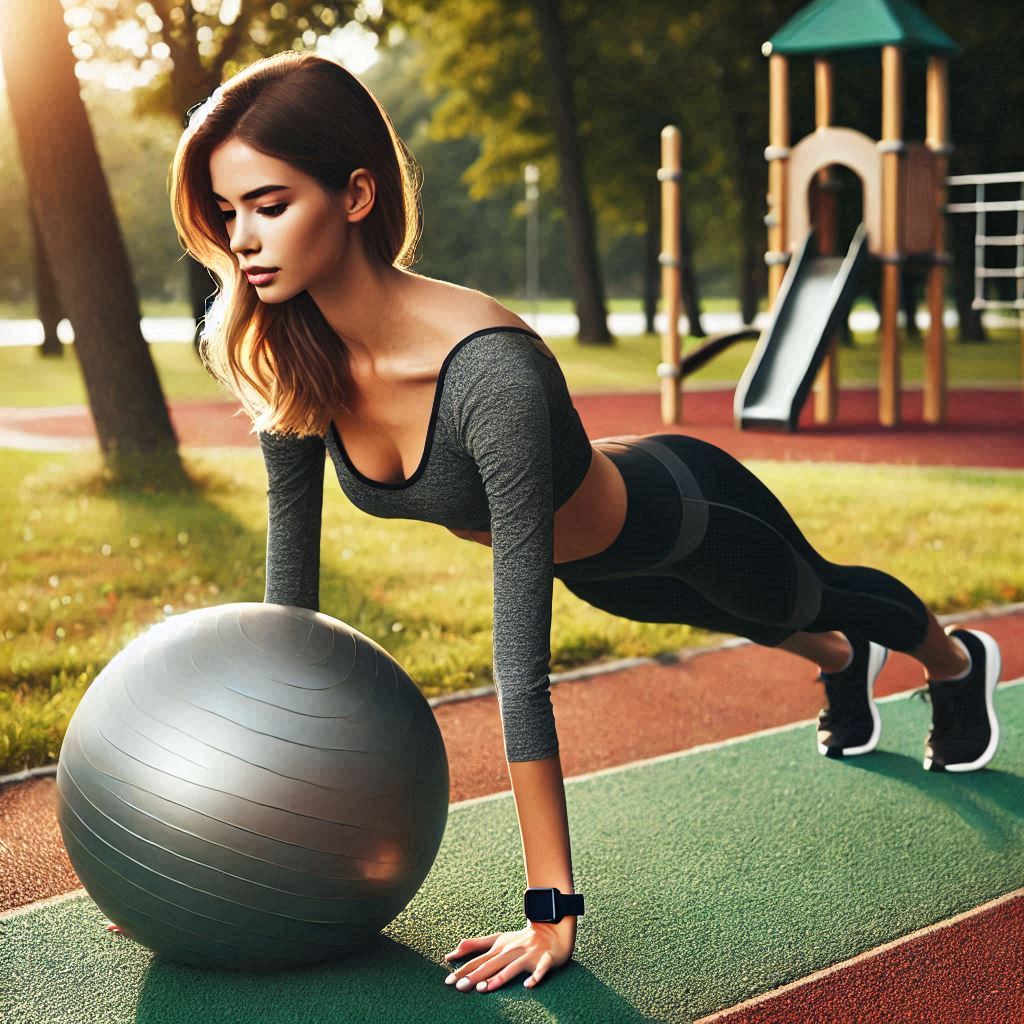
Push ups with balance ball


Park Sessions


Breathe fresh air while sweating it out with birds singing around you!


Sit ups surrounded by nature


Beach Workouts


Feel the sand between your toes as you train surrounded by nature!


Dive Into The Deep


Training Tips


August`s edition


⏱️ The 15-Minute Blueprint: Fitness for the Busy Life


Between work, family, and daily commitments, finding an hour for the gym can feel nearly impossible. But here’s the truth: you don’t need an hour to build strength, improve health, and boost your energy.Consistency always beats intensity.

By focusing on fundamental human movements, you can get a full-body workout using just three essential exercises—no equipment required, and right in your living room.

🎯 The Power Trio: Core MovementsThis routine relies on three foundational movement patterns:

Squats (Lower Body & Mobility): Strengthens your legs, glutes, and core while keeping your hip and knee joints healthy.

Push-ups (Upper Body Strength): Works your chest, shoulders, triceps, and core simultaneously.

Planks (Core Stability): Builds deep abdominal strength and supports lower back health without joint strain.

⚡ The Express Workout CircuitHow It Works:

Perform each exercise back-to-back with minimal rest between moves. After completing all three, take a 60 to 90-second break. Repeat for 3 to 4 total rounds.

1. Squats
10 – 12 reps (beginners)
15 – 20 reps (intermediate)
Keep feet shoulder-width; chest up, sink hips back.

2. Push-ups
6 – 10 reps (Knees/Incline)
12 – 15 reps (Standard)Keep elbows at 45°; keep your core tight like a board.

3. Plank
20 – 30 seconds
45 – 60 seconds
Elbows under shoulders; squeeze glutes and brace abs.

💡 Quick Tips for SuccessModify for Your Level:
If standard push-ups are too tough, place your hands against a wall, counter, or use your knees.
Form comes first!
Make It a Habit: Do this routine 3 times a week (e.g., Monday, Wednesday, Friday).
Listen to Your Body: Focus on smooth, controlled movements rather than rushing through reps.Quality over quantity: 15 minutes of intentional movement three times a week is infinitely better than waiting for the "perfect hour" that never comes.


Fitness & Science News


Scientists discover why exercise reverses muscle aging

Scientists have uncovered a key reason why exercise is so effective at helping older muscles stay strong. A new study from Duke-NUS Medical School shows that physical activity can restore the natural repair systems that weaken with age, helping muscles recover and maintain function later in life.

The research team, working with collaborators from Singapore General Hospital and Cardiff University, found that exercise helps correct an important imbalance that develops inside aging muscle cells. The findings, published in the Proceedings of the National Academy of Sciences (PNAS), provide new insight into the biological mechanisms behind muscle aging and could eventually lead to new approaches for preventing age related muscle loss.

Why Muscle Health Declines With Age

Healthy muscles do far more than support movement. They also play important roles in metabolism, blood sugar regulation, and overall health. Beginning in middle age, muscle strength and function gradually decline, increasing the risk of falls, fractures, and slower recovery after illness or injury.

The consequences extend beyond individual health. As populations age, muscle loss can increase demands on caregivers and healthcare systems. Preserving muscle function is therefore an important part of maintaining independence and quality of life.

One of the key regulators of muscle health is a growth pathway called mTORC1, which helps control protein production and muscle maintenance. In aging muscles, this pathway can become excessively active. When that happens, muscles focus more on building new proteins while becoming less efficient at removing damaged ones.

Over time, these damaged proteins accumulate inside muscle cells, placing them under stress and contributing to the gradual loss of strength associated with aging. Until now, scientists did not fully understand what causes this imbalance.

DEAF1 Emerges as a Key Muscle Aging Gene

The researchers identified a gene called DEAF1 as an important factor behind this process.

According to the study, DEAF1 levels rise in aging muscles. As DEAF1 increases, it drives mTORC1 activity higher, disrupting the normal balance between protein production and protein removal. This imbalance accelerates muscle deterioration.

Under normal conditions, DEAF1 is regulated by a group of proteins known as FOXOs. However, FOXO activity naturally declines with age. As a result, DEAF1 is no longer kept under tight control, allowing its levels to increase and pushing muscles further away from repair and maintenance.

How Exercise Restores Muscle Repair

The team discovered that exercise can help reverse this imbalance, provided the underlying regulatory system remains responsive.

Assistant Professor Tang Hong-Wen from the Cancer and Stem Cell Biology Program at Duke-NUS, the study's lead author, said:

"Exercise can reverse this process, correcting the imbalance. Physical activity activates certain proteins which lower DEAF1 levels, bringing the growth pathway back into balance. This allows aging muscles to clear out damaged proteins, rebuild themselves properly, and help them stay stronger and more resilient."

The researchers also found an important limitation. In some older muscles, DEAF1 levels become extremely high or FOXO activity drops significantly. In those cases, exercise alone may not be enough to fully restore the muscle's repair capacity.

This finding may help explain why some older adults experience greater benefits from exercise than others and highlights the importance of understanding the underlying biology of muscle aging.

Results Confirmed in Flies and Mice

To test their findings, the researchers conducted experiments in both fruit flies and older mice.

The results were consistent across both species. Raising DEAF1 levels caused muscles to weaken more rapidly, while lowering DEAF1 restored healthier protein balance and improved muscle strength. The findings suggest that DEAF1 plays a conserved role in muscle aging across different organisms.

Potential Benefits Beyond Aging

The implications of the research may extend beyond normal aging.

DEAF1 also influences muscle stem cells, which are responsible for helping muscles repair and regenerate tissue. These stem cells naturally become less effective with age, and disruptions in DEAF1 appear to make recovery even more difficult.

The findings could also prove valuable for people recovering from surgery, illness, or chronic diseases such as cancer. Researchers suggest that targeting DEAF1 could potentially reproduce some of the beneficial effects of exercise at the molecular level, helping maintain muscle strength even when physical activity is limited.

Priscillia Choy Sze Mun, a research assistant with the Cancer and Stem Cell Biology Program at Duke-NUS, and the study's first author, said:

"Exercise tells muscles to 'clean up and reset.' Lowering DEAF1 helps older muscles regain strength and balance, almost like hitting the rewind button. With millions of older adults at risk of muscle decline, understanding DEAF1 could lead to new ways to protect muscles and improve quality of life."

Professor Patrick Tan, Senior Vice-Dean for Research at Duke-NUS, added:

"This study helps explain, at a molecular level, why aging muscles lose their ability to repair themselves and why exercise can restore that balance in some individuals. By identifying DEAF1 as a key regulator in this process, these findings may lead to new ways in which the benefits of exercise can be brought to societies with rapidly aging populations."

Duke-NUS is recognized globally for its work in medical education and biomedical research, combining fundamental scientific discoveries with translational research aimed at improving the understanding and treatment of disease in Singapore and around the world.


Personal Growth


🧘 Beyond First Impressions: The Power of Refraining from Judgment

In a world that demands quick decisions and instant reactions, judging comes naturally to us. We label a person as "difficult," a situation as "disastrous," or a setback as a "failure" within seconds of encountering it.

Judgment is often our brain’s attempt to feel in control. However, when we constantly judge people and situations, we narrow our view, drain our energy, and create unnecessary conflict—both externally and within ourselves.

Learning to refrain from judgment isn't about being passive or naive; it is about cultivating clarity, peace, and emotional mastery.

💡 1. The Hidden Cost of Immediate Judgment
When we jump to conclusions, we usually act on incomplete information:

When we judge people: We react to their behavior without knowing their hidden struggles, stress, or history.

When we judge situations: We declare an event "good" or "bad" before time has revealed its true outcome. What feels like a setback today often turns out to be the exact pivot needed for growth tomorrow.

Passing judgment creates rigid labels. Once you label someone or something, you stop observing, and when you stop observing, you stop learning.

🔄 2. Replacing Judgment with Curiosity
The fastest way to pause judgment is to swap your reaction with curiosity.

Instead of thinking: "Why are they acting so irrationally?"

➡️ Ask yourself: "What might they be experiencing right now that I cannot see?"

Instead of thinking: "This entire day is ruined because of this obstacle."

➡️ Ask yourself: "What is this situation teaching me, or what opportunity does this present?"

Curiosity creates space between the stimulus and your response. In that space lies your freedom to choose peace over frustration.

🛠️ Practical Steps to Practice Non-Judgment Daily
Catch the Impulse: You don't have to eliminate negative thoughts immediately—just notice them. When you feel a judgmental thought rise, mentally say: "That's just a thought, not the whole truth."

Practice Emotional Neutrality: Practice viewing unexpected events simply as facts first. Instead of "This traffic is terrible and ruined my morning," try "There is heavy traffic right now." Strip away the dramatic story.

Remember the Parable of the Farmer: There is a famous story of an old farmer whose horse runs away. The neighbors say, "What bad luck!" The farmer replies, "Maybe." The next day, the horse returns with wild horses. The neighbors say, "What wonderful luck!" The farmer replies, "Maybe." The lesson? Life unfolds in ways we cannot predict; don't declare the end of the story in the middle of a chapter.

🌿 The Ultimate Reward: Internal Freedom
When you train yourself to stop judging every person who crosses your path or every circumstance that doesn't go according to plan, something incredible happens: your mental noise disappears.

You spend far less energy complaining or being offended, and far more energy acting intentionally, growing personally, and living with inner peace.

Final Thought: To refrain from judging others is ultimately a gift to yourself. It releases you from carrying the weight of opinions you were never meant to carry.


Copyright, 2024 Momentum Neofit. All rights reserved.